

Rorschach - Bregenz












Partner
Hier könnte das Logo Ihres Unternehmens zu sehen sein
Info dazuOutdooractive-App

Navigation

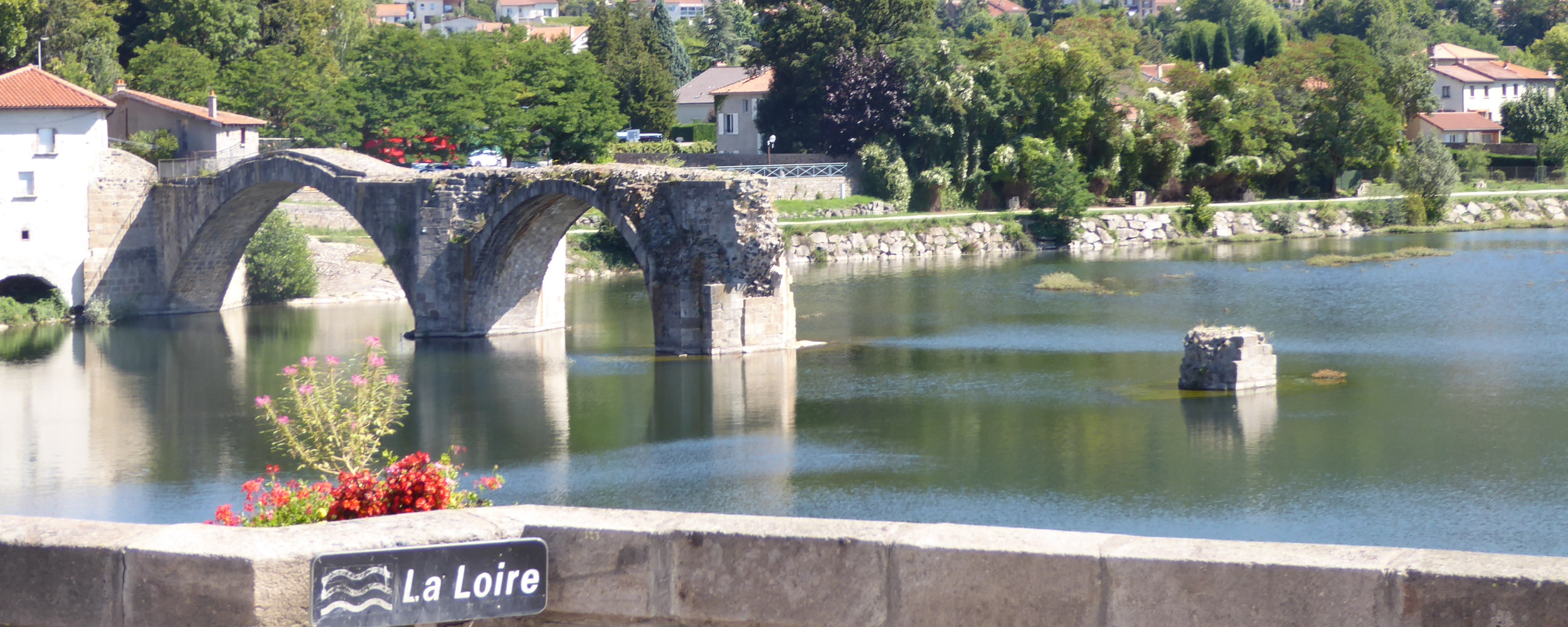
Wettingen-Mehrerau Abbey near Bregenz
Then the airfield is circled – you rarely get this close to the airplanes.
Between Rorschach and Staad we leave the lake and bypass a busy road uphill for a bit. Returning, we follow the road to the roundabout. Golden turrets stand out to the right of the roundabout -

The Neue Rhein at the confluence with Lake Constance
The Altenrhein airfield is circled until we get 'sandwiched' between the Old Rhine and the motorway. We stay near the motorway until St. Margrethen, where we cross the border to Austria's Höchst.
Between the mouths of the Old and New Rhine into Lake Constance stretches the Rhine Delta nature reserve. The 2,066 hectares belong to the EU's Natura 2000 sites to protect the most valuable European species and habitats and to preserve biological diversity.
At Fussach we cross the new Rhine. The Alpine Rhine was straightened by the International Rhine Regulation and confined between two dams.
The signpost "Bregenz Bodenseeweg" leads us to the Wettingen-Mehrerau Monastery and then to Bregenz station.
Anmerkungen
With today's stage we leave Switzerland and enter the state of Vorarlberg in Austria. The Rhine Delta nature reserve as well as Bregenz are extremely interesting.
Tipp des Autors
Worth seeing:
Market square with Hundertwasser buildings
Altenrhein Aviation Museum
Mehrerau Monastery
Churches of St. Gallus and Columban in Bregenz
Orte entlang des Weges
From Rorschach there are several ways to get to Bregenz: by ship or on foot. On foot the stage is a bit long but scenic along the lake. You can travel today's stage by ship, as the monks probably did. An alternative is to take the ship to Rheineck and hike from there. This shortens the stage by 9 km.
Rheineck was an important transshipment, storage, and trading place on the north/south axis before the opening of the Gotthard Pass. The historic town with numerous sights in the old town (town hall, old administrative building: former seat of the bailiffs, Custerhof: Baroque building with mansard roof and elaborate Rococo interior structures, Protestant Church of St. Jakob, among others) lies on the Old Rhine. This river arm, formerly the main Rhine, forms the state border to Austria. We continue hiking near the motorway and reach St. Margrethen.
We cross the Old Rhine and arrive at Höchst in Vorarlberg (Austria). We pass through the town and march towards Fussach (first mentioned in 840 in the tax register of Pfäfers Monastery). Hiking trails in Austria are marked with white-yellow signs.
In Fussach we go up to the Rhine dam. Then we cross the New Rhine and the Dornbirn Ache. Immediately after, we turn north and follow the signpost Bodenseeweg towards Bregenz.
Rhine Delta: The once wild river was tamed and led directly into Lake Constance, significantly reducing the danger of frequent flooding. In 1900, the breakthrough and diversion were completed near Fussach. The Rheintaler Binnenkanal, newly constructed from 1896 to 1906, was channeled into the old river arm (the Old Rhine); it carries the meteoric waters of the St. Gallen Rhine Valley and parts of the Appenzell region into Lake Constance.
Hard. Around 700 AD the first settlement by Alemanni took place, and in 1249 Hard was mentioned for the first time in a protective letter from Pope Innocent IV to the Mehrerau Monastery.
Mehrerau Monastery. The foundation stone for the church building was laid in 1097 and completed in 1125. In 1805 Bregenz became part of the Kingdom of Bavaria; the monastery was dissolved and looted, the Baroque church destroyed, and the convent buildings used as a factory and barracks.
After 1850, the monastery was resettled and, with the permission of Emperor Franz Joseph, became a refuge for the Cistercians of the Wettingen Monastery in the canton of Aargau, Switzerland, which had been closed in 1841. In 1854, the abbey was opened under the name "Wettingen-Mehrerau."
Bregenz. Stage location. The first settlements in the area of today's Bregenz emerged around 1500 BC. During the Celtic period (from around 500 BC), Bregenz was one of the most fortified places in the region. At that time, the Celtic tribe Brigantii settled in Vorarlberg.
15 BC the Romans conquered the Vorarlberg area and established the city of Brigantium here – a Roman civilian town with forum, temple district, market halls, basilica, etc. Extensive archaeological remains from this phase of the place have been preserved. In today's Protestant cemetery, remains of the Imperial Roman thermal baths are visible. Brigantium was also militarily significant, as the prefect of the Roman Lake Constance fleet was stationed here. At least until about 410 AD, a Roman war fleet was stationed in Brigantium. Remains of the harbor facilities were discovered during construction work.
In 233 and 259/260 AD, Bregenz was destroyed by invading Alemanni but rebuilt by the Roman-Celtic population; the upper town was expanded and fortified. The fortress remained militarily important after 300 AD and belonged, together with Arbon, Konstanz, and Eschenz, to a chain of forts that secured the Roman border on the Rhine and Lake Constance.
The Alemanni settled in the area around Bregenz from around 470 AD. Between 610 and 612, the Irish missionaries Columban and Gallus worked in Bregenz. From here, Columban moved on with the monks towards Italy, while Gallus stayed behind and incurred Columban's displeasure. Columban forbade Gallus from reading the mass until Columban's death.
In the district of Rieden stands the modern Roman Catholic parish church of St. Columban.
Both churches, the Gallus Church and the Columban Church, lie on the path the next day and can then be visited.
From Bregenz, a cable car leads to the 'local mountain' Pfänder with a beautiful view, among others, of the nearby German Lindau. Bregenz is especially famous for its festival performances on the lake stage.